A Kitchen Tradition, Revisited

Why Grandmother's Biblical drink (oil)/ Honey blend Still Sits on the Counter at Breakfast

Long before kitchens had timers and apps, families kept a small jar of Biblical drink (oil)/ Honey blend near the stove, part of a slower, more deliberate way of putting a meal together. This page looks at that old-fashioned habit — the history behind it, the rhythm of the meals it accompanied, and the everyday questions people ask themselves at the table. It is educational reading about food traditions, not medical guidance, and it does not replace the care of the doctor who already knows your health history.

Everyday Nutrition  ·  Daily Habits  ·  Educational Content  ·  Kitchen Traditions

The Rhythm of an Ordinary Day

Picture the kitchen at seven in the morning: a half-full coffee cup going cold, a cutting board out but nothing on it yet, and a quiet, familiar hesitation about what today’s meals should even look like. For anyone who pays attention to their blood sugar, that hesitation repeats itself several times a day, in small moments that rarely make it into conversation. None of this is a diagnosis to work through alone — it is simply the backdrop against which food decisions get made, and it is worth discussing openly with the healthcare provider who already follows your care.

The Weight of Deciding Every Meal

Breakfast, lunch, dinner, and every snack in between arrive as a small negotiation — what to include, what to avoid, what might undo the last careful choice. Over weeks, that constant weighing becomes its own kind of fatigue, separate from the food itself.

The Post-Lunch Energy Rollercoaster

Alertness at noon can give way, an hour later, to a heaviness that makes the rest of the afternoon feel uphill. People describe it as a wave rather than a dip — sudden, familiar, and hard to plan around.

Morning Fatigue Before the Day Even Starts

Some mornings begin already tired, before the first task is even underway. It is a heaviness that coffee smooths over briefly but rarely resolves, and it often shapes how the rest of the day's meals get chosen.

Too Much Conflicting Advice About What to Eat

A headline says one thing, a neighbor swears by another, and a food label contradicts both. Sorting through it all, meal after meal, is its own quiet labor — one that has little to do with willpower and everything to do with clarity.

Kitchen Talk: Myths and Facts

Some ideas about food get repeated so often at family tables that they start to sound like settled fact. A few of the most common ones deserve a second look — not to overturn them dramatically, but simply to bring a bit more nuance to how meals get planned.

MYTH

All carbohydrates behave the same way on the plate.

FACT

Carbohydrates vary widely depending on their source, how they’re prepared, and what they’re eaten alongside — a plain grain and a slice of bread are not interchangeable in how a meal comes together.

MYTH

Fruit is off-limits if you’re watching what you eat.

FACT

Whole fruit has traditionally been part of everyday meals across many cultures; the conversation is less about avoidance and more about portion, timing, and what else is on the plate.

MYTH

There is a special category of ‘food for diabetics’ separate from everyone else’s kitchen.

FACT

Most traditional, home-style meals were built for whole households to share — the idea of a separate diet often adds confusion rather than clarity, and any specific plan should come from the professional managing your care.

An Old-Fashioned Approach to the Meal Itself

Before nutrition became a science of labels and counting, households leaned on habits passed down at the table — not rules about what to eat, but about how a meal unfolded from first bite to last. These three habits reflect that older, slower approach. None of them replace a treatment plan; they sit alongside it, and any change to your routine is worth mentioning to your doctor first.

01

Rethink the Order on the Plate

Many traditional meals began with vegetables or a light broth before moving to heavier items — a simple sequencing habit, not a rule, that shaped how a meal felt from start to finish.

02

Slow Down the Rhythm of the Meal

Meals eaten at a table, without rushing, without a screen, once stretched over twenty or thirty unhurried minutes. That pacing was less about discipline and more about the meal being the main event of that stretch of time.

03

Add a Little Movement After Eating

A walk to the well, tending a garden bed, or simply clearing the table by hand — gentle movement after a meal was built into daily chores long before it had a name. A short, easy walk after eating echoes that same old habit.

A Jar on the Windowsill

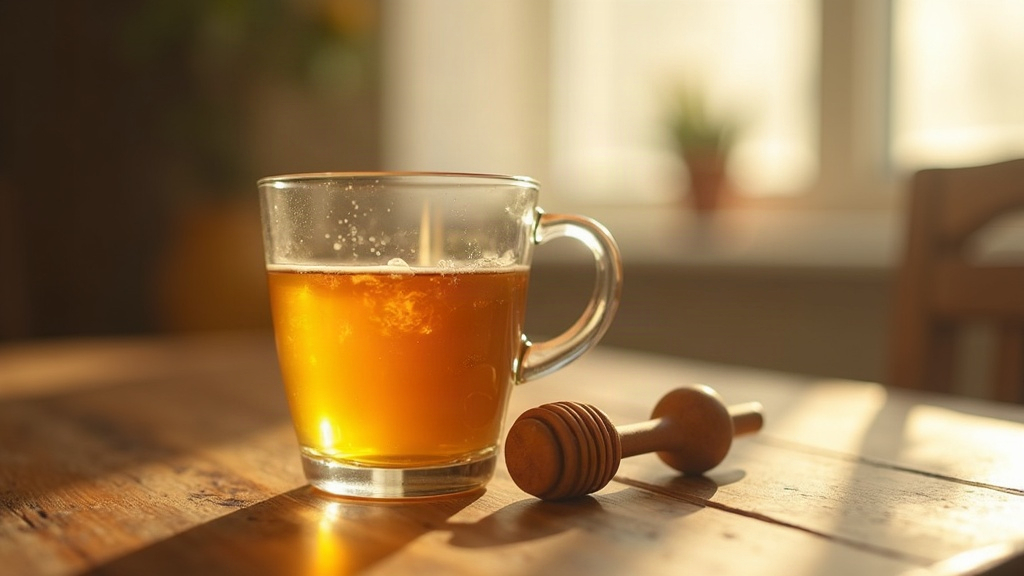
Long before it had a marketing name, a blend of oil and honey sat in many traditional kitchens as a pantry staple, mentioned in old family recipes and passed between generations more by habit than by instruction. In some households it was stirred into warm water at the start of the day; in others it was drizzled over bread, folded into a morning porridge, or kept simply as a spoonful taken alongside breakfast, the way a family might keep a jar of preserves. Honey itself has a long culinary history as a natural sweetener in bread, tea, and preserved fruit, while oil — often olive oil in Mediterranean households — was the base of everyday cooking, used for frying, dressing vegetables, and finishing a dish at the table. Combined, the two ingredients became less a remedy and more a ritual: a small, deliberate gesture at the start of the day, tied to routine rather than to any claim about health.

What stands out in these old kitchen habits is not the ingredient itself, but the ritual around it — a slow, attentive moment built into the start of the day, at a time when meals were rarely eaten in a hurry.

Everyday Moments Worth Mentioning to Your Doctor

Tiredness That Doesn't Match Your Routine

Feeling drained in a way that doesn't line up with sleep, activity, or stress levels is worth describing in detail at your next appointment, rather than working around it on your own.

Sleep That Doesn't Feel Restorative

Waking up as tired as you went to bed, night after night, is a pattern your doctor should hear about directly — it may be connected to several things, and guesswork isn't the way to sort it out.

Shifts in Mood or Focus Around Mealtimes

Noticing that concentration or mood dips predictably before or after certain meals is useful information — bring it up with the professional who follows your health, rather than adjusting meals on assumption alone.

Thirst or Appetite That Feels Different for Weeks

A lasting change in how hungry or thirsty you feel, sustained over several weeks, is worth a conversation with your doctor rather than a change made quietly at home.

Any Change That Feels Off While Adjusting Your Diet

If a new habit — even a small one, like a different breakfast routine — coincides with something that feels unusual in your body, mention it to your doctor before deciding whether to continue.

Uncertainty About Your Current Treatment Plan

If you're ever unsure whether a habit fits with your current treatment or medication, the right next step is a direct question to your prescribing doctor — never a personal adjustment made in the meantime.

How Families Talk About Their Routines

I stopped trying to plan every meal from scratch each night. Having a simple order I follow — vegetables first, then everything else — took a surprising amount of pressure off the evening.

Margaret H.
Illustrative account
The habit that stuck with me wasn't a big change. It was sitting down properly for breakfast instead of eating standing at the counter. That alone reshaped how the rest of my morning felt.
Walter D.
Illustrative account
My mother used to keep honey and oil on the counter, and I started doing the same, more out of nostalgia than anything else. It's become part of a slower morning routine I look forward to.
Rosalind K.
Illustrative account

These are individual accounts shared for illustrative purposes. Names are fictional, experiences vary from person to person, and none of this reflects clinical results, medical outcomes, or a guarantee of any kind.

A Slower Way to Think About Meals

This page shared the history, habits, and old kitchen traditions behind Biblical drink (oil)/ Honey blend — not as a solution, but as a piece of everyday food culture worth understanding. Keep following the care plan set by your doctor, and don’t change your diet, routine, or any prescribed treatment without talking it through with them first.

Advertising Disclosure: This page contains sponsored content and affiliate links. We may receive compensation if you click a link or make a purchase through the links provided on this page. This helps support the continued publication of educational content like this.

Content Disclaimer: This content is provided for educational purposes only and has not been evaluated by the FDA. It is not intended to diagnose, treat, cure, or prevent any disease, and it does not replace personalized medical advice. Always consult a qualified healthcare professional before changing your diet, your routine, or any prescribed treatment.

Results Disclaimer: Individual results and experiences vary. Testimonials shared on this page reflect personal accounts and are not a guarantee of any particular outcome or result.

© 2026 · All Rights Reserved